About
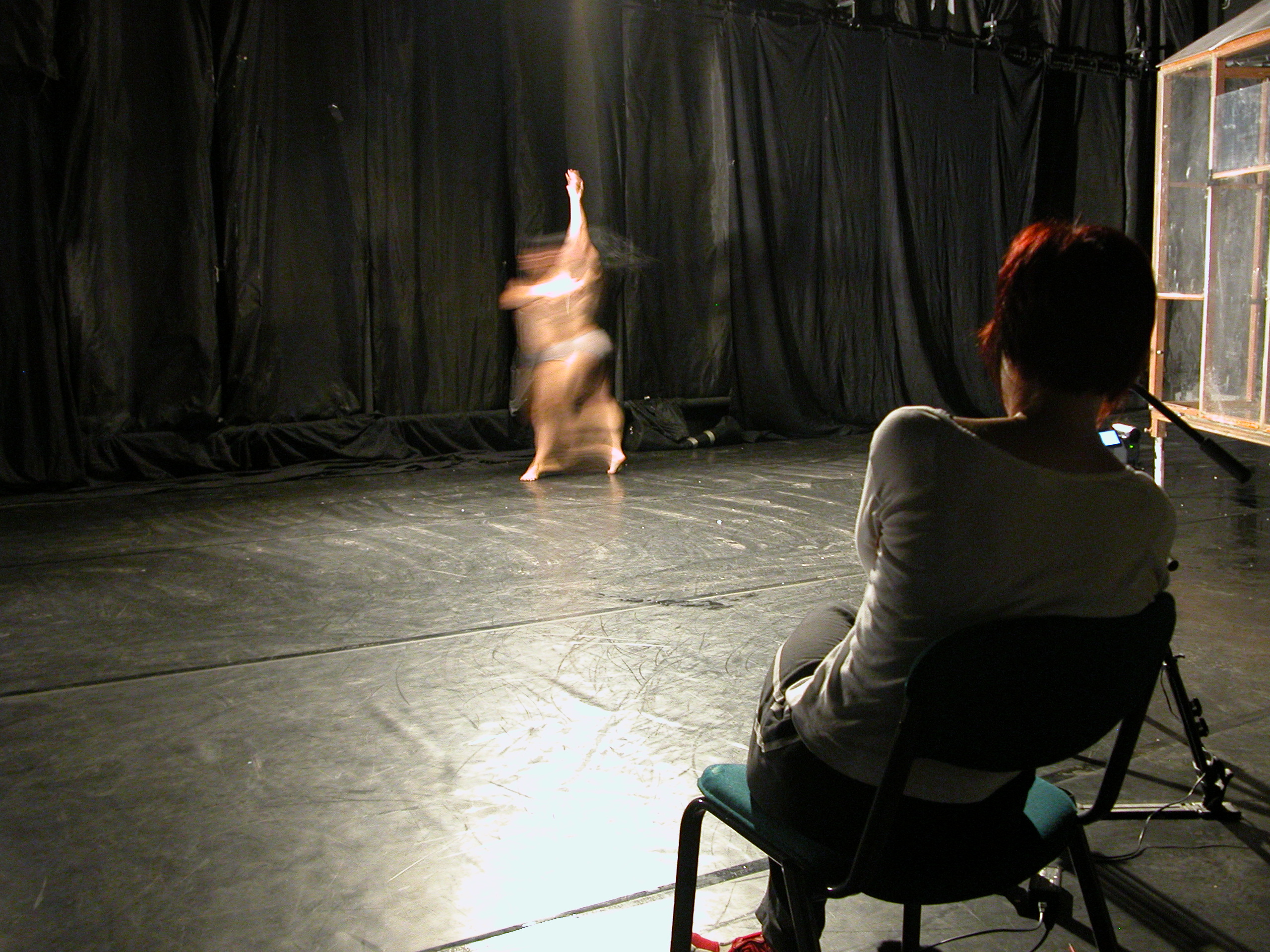
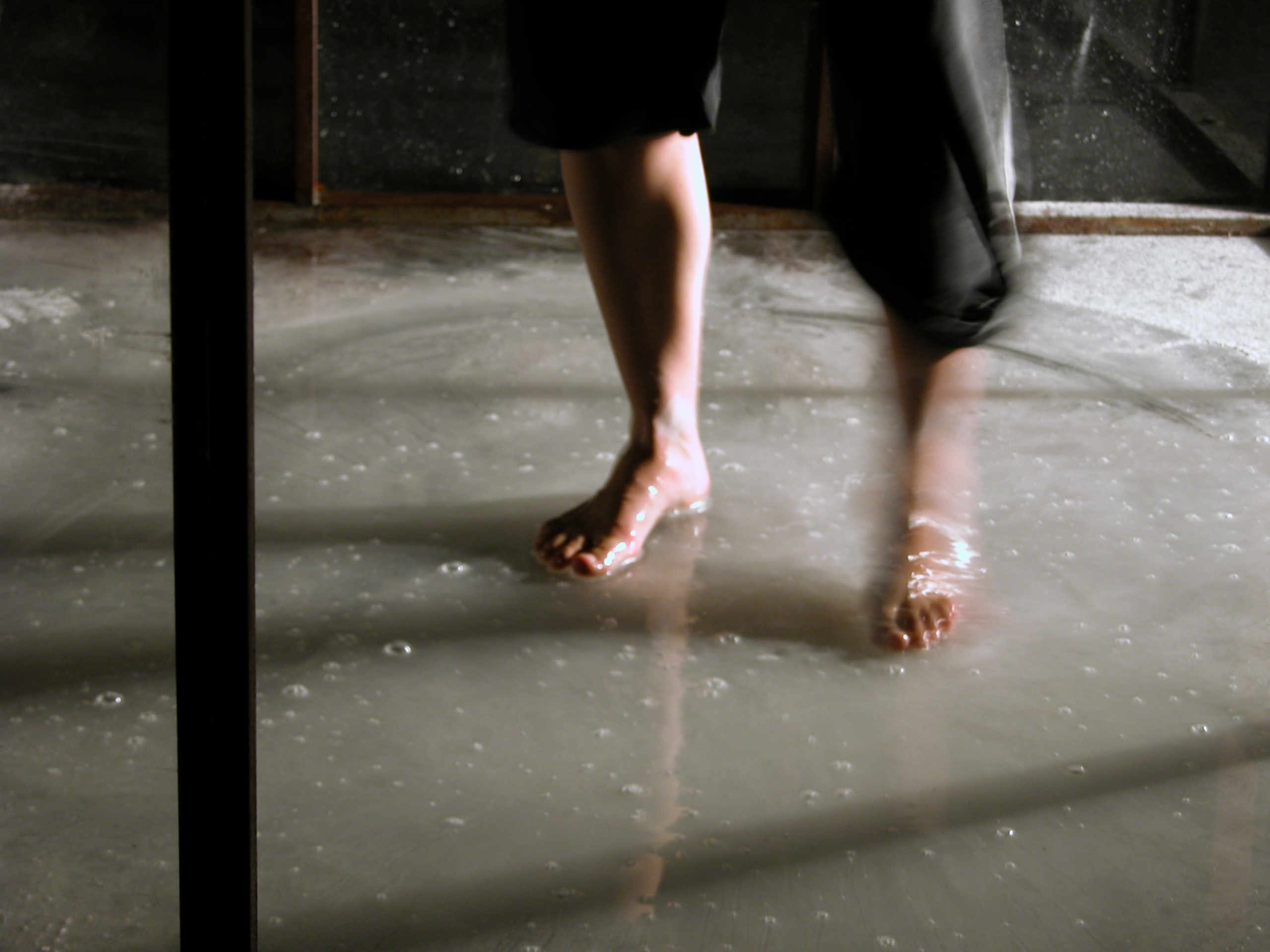
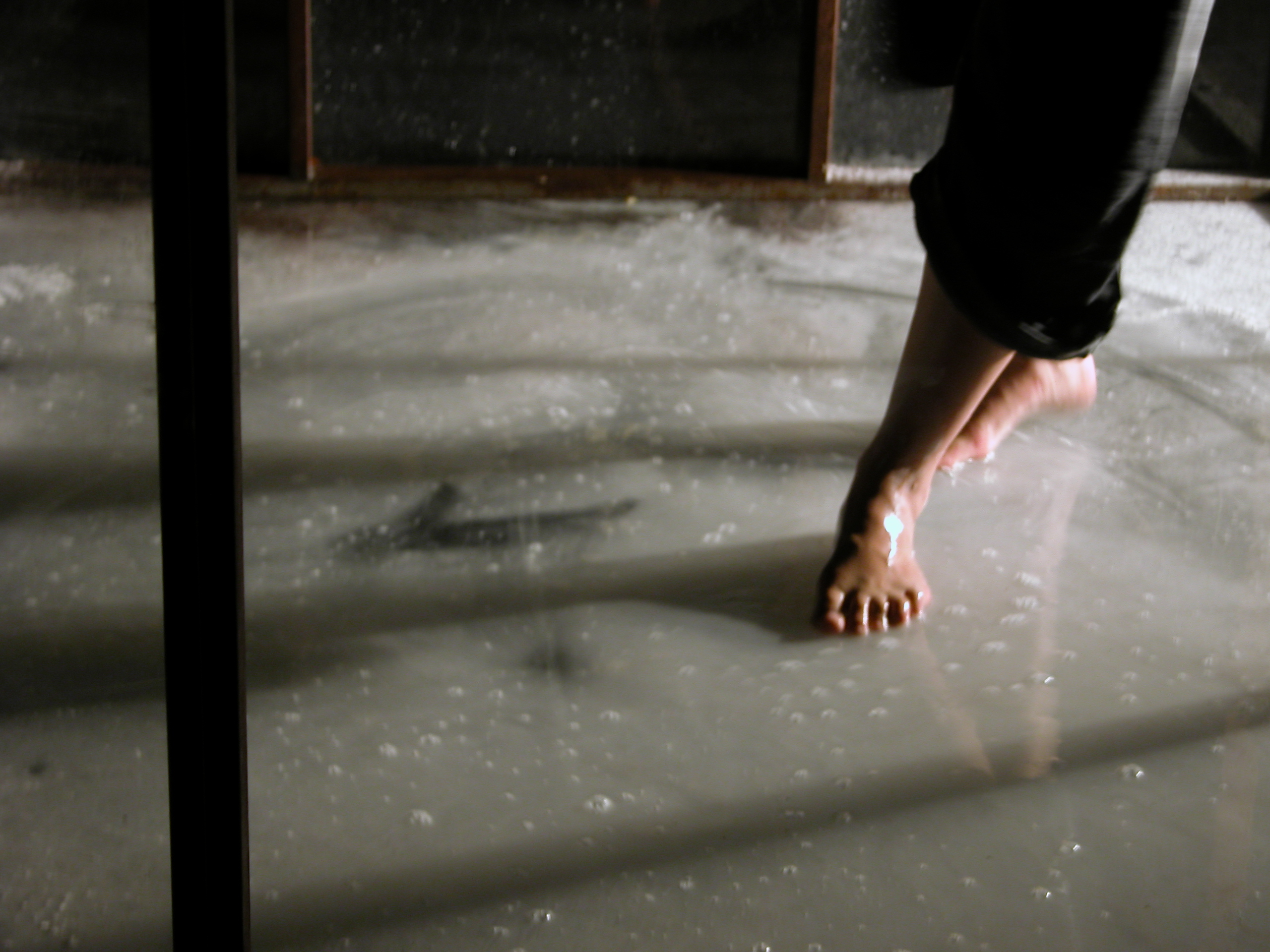
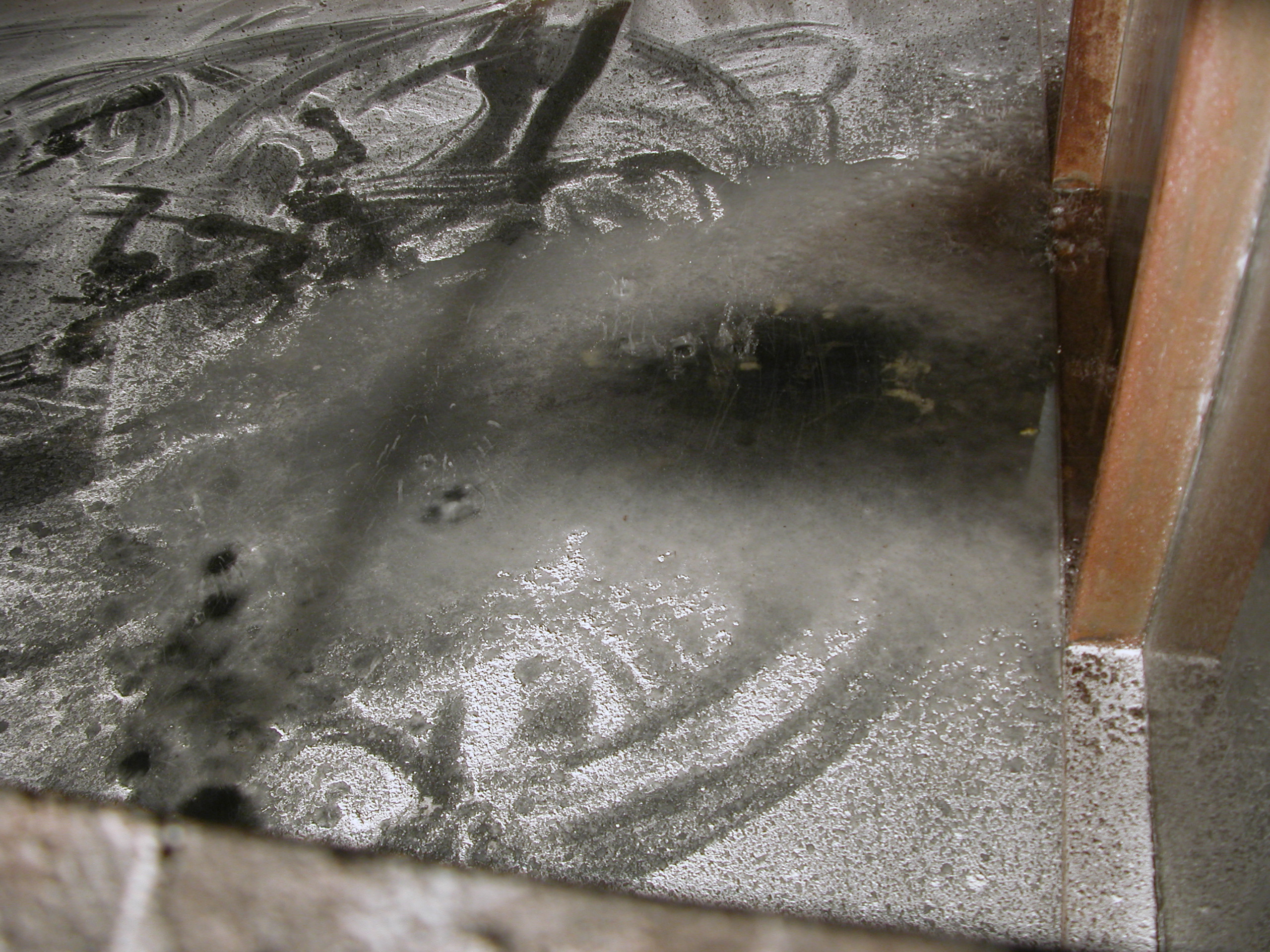
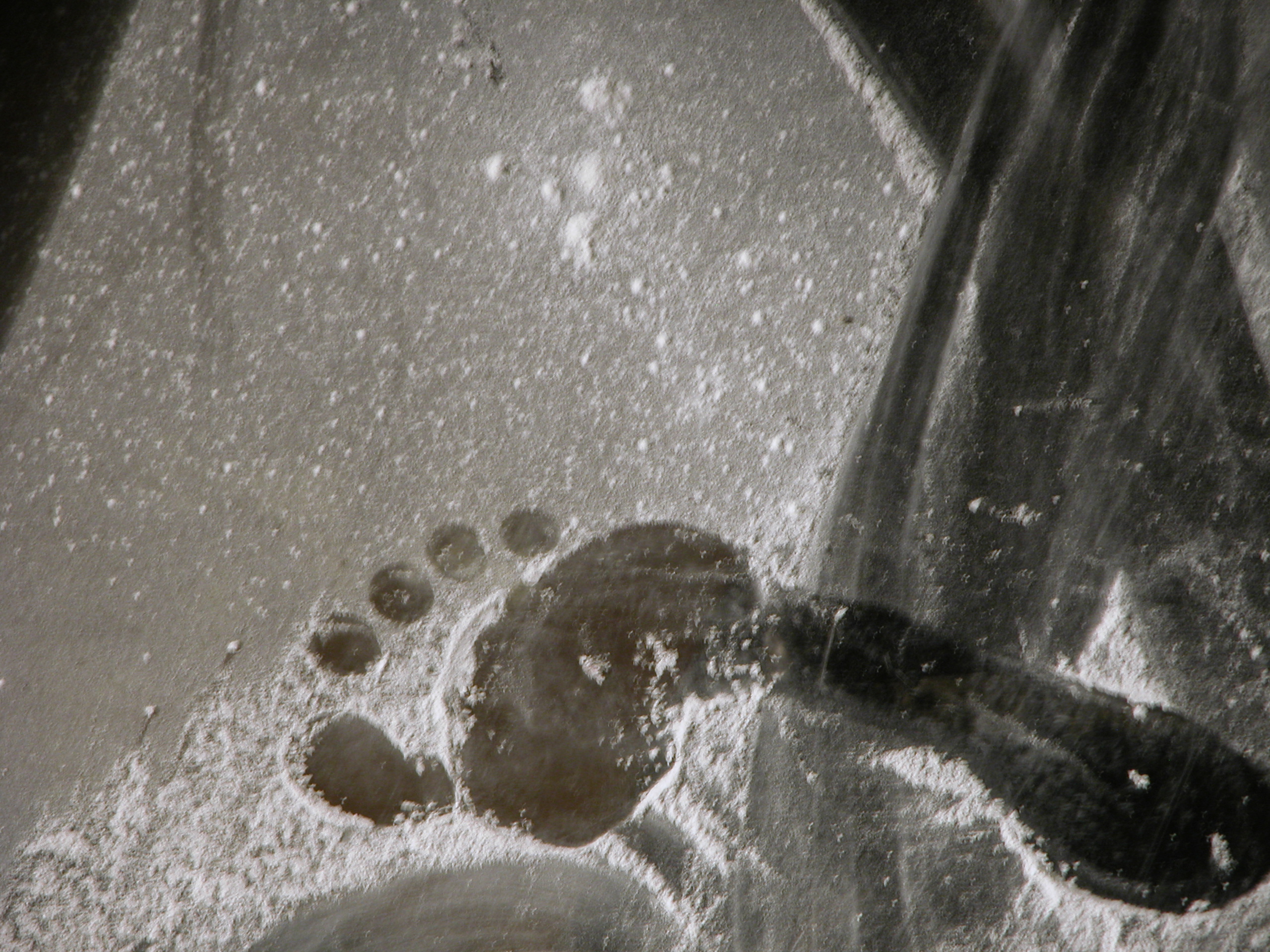
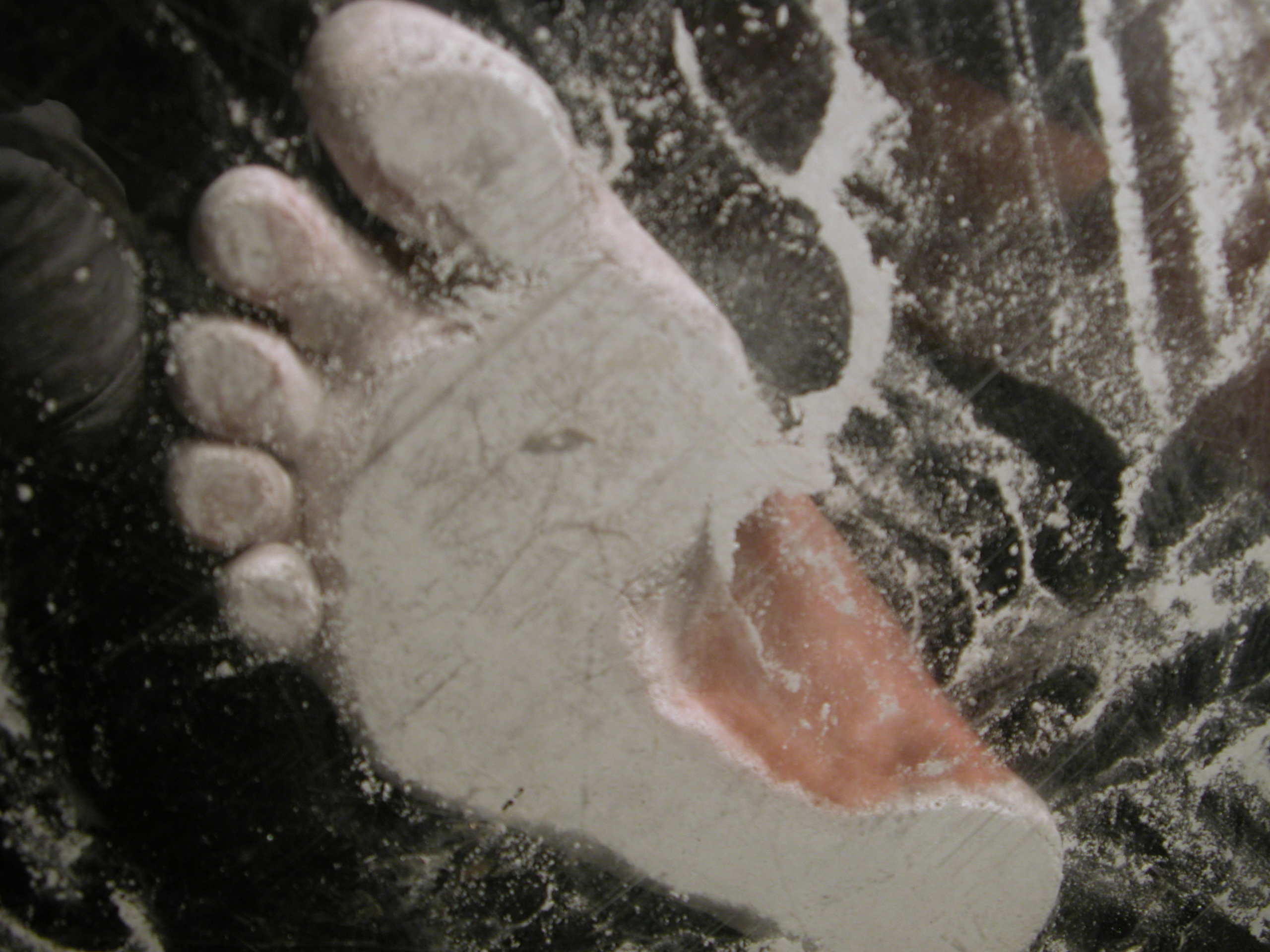
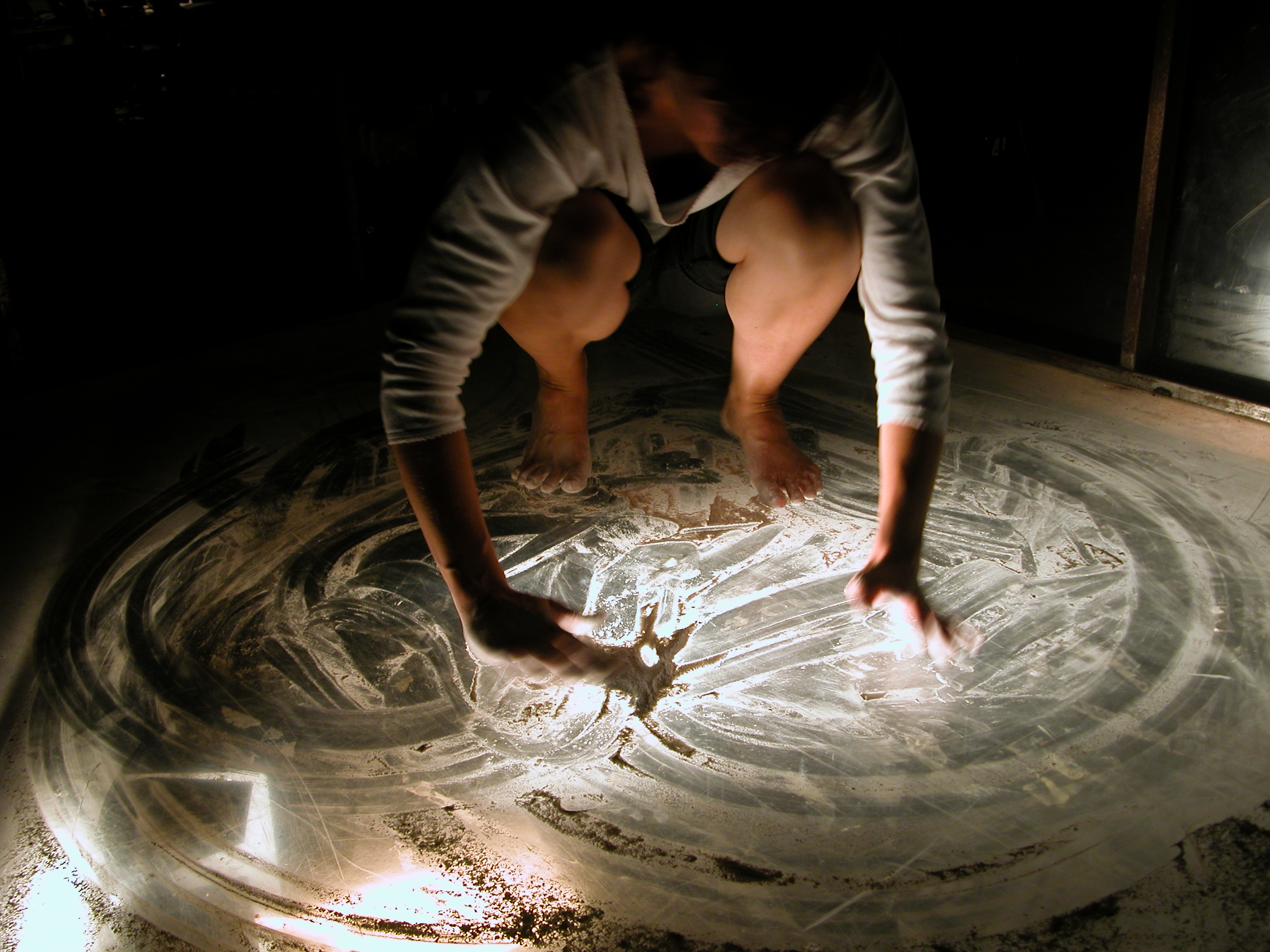
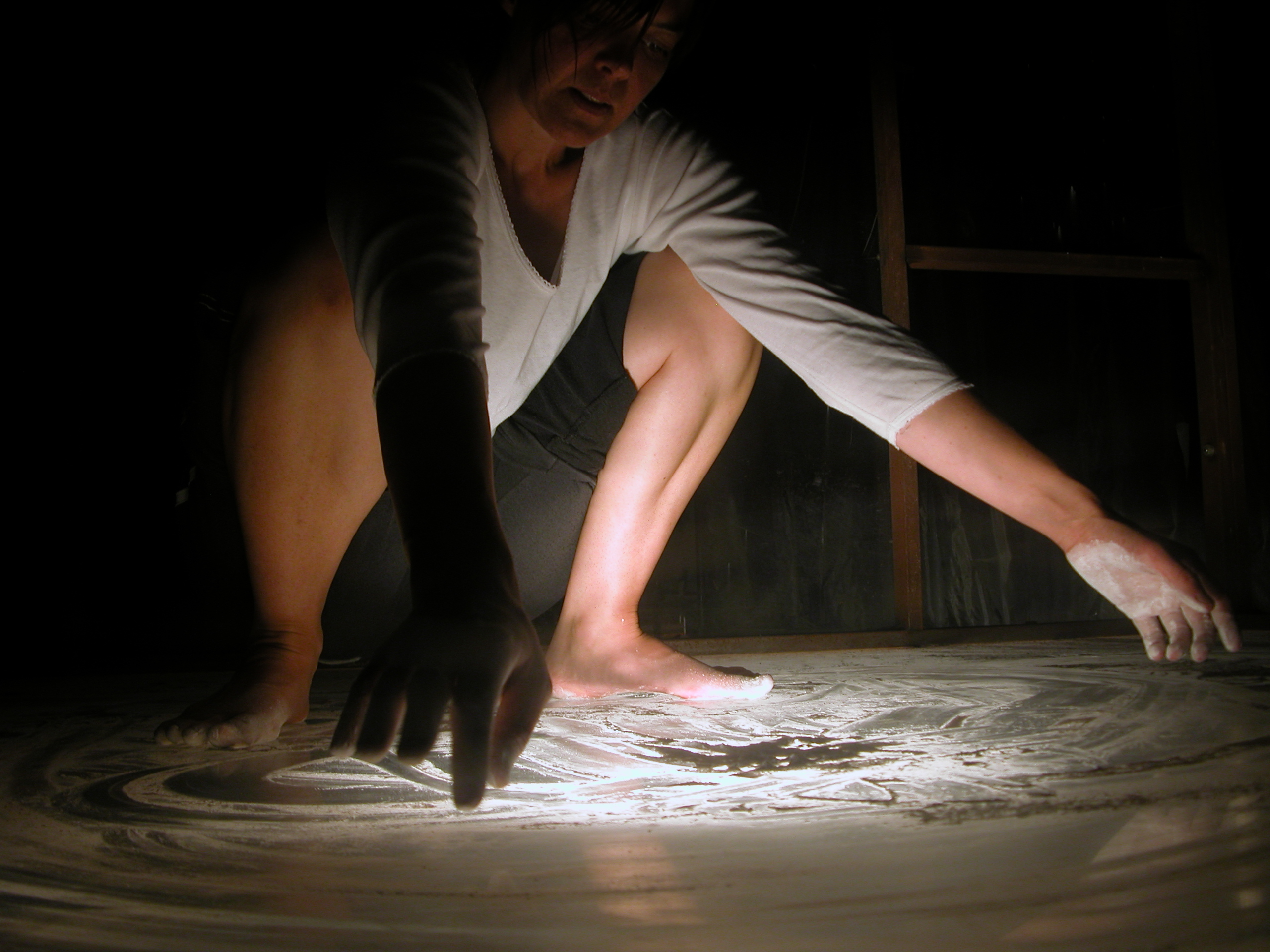
Shifting Intimacies is an interactive/media artwork for one person to experience at a time. Each participant enters a large dark space containing two circles of projected film imagery presented within an immersive sound environment. One image floats upon a disc of white sand and the other on a circle of white dust. Participants’ movements direct and affect the filmic image and spatialised audio experience. Throughout the work a layer of dust (an artificial life form) slowly eats away and infuses itself deep into the imagery and sound. This immersive work invites differing states of meditation, exploration, stillness and play, creating states of shifting balance that produce a heightened awareness of the body.
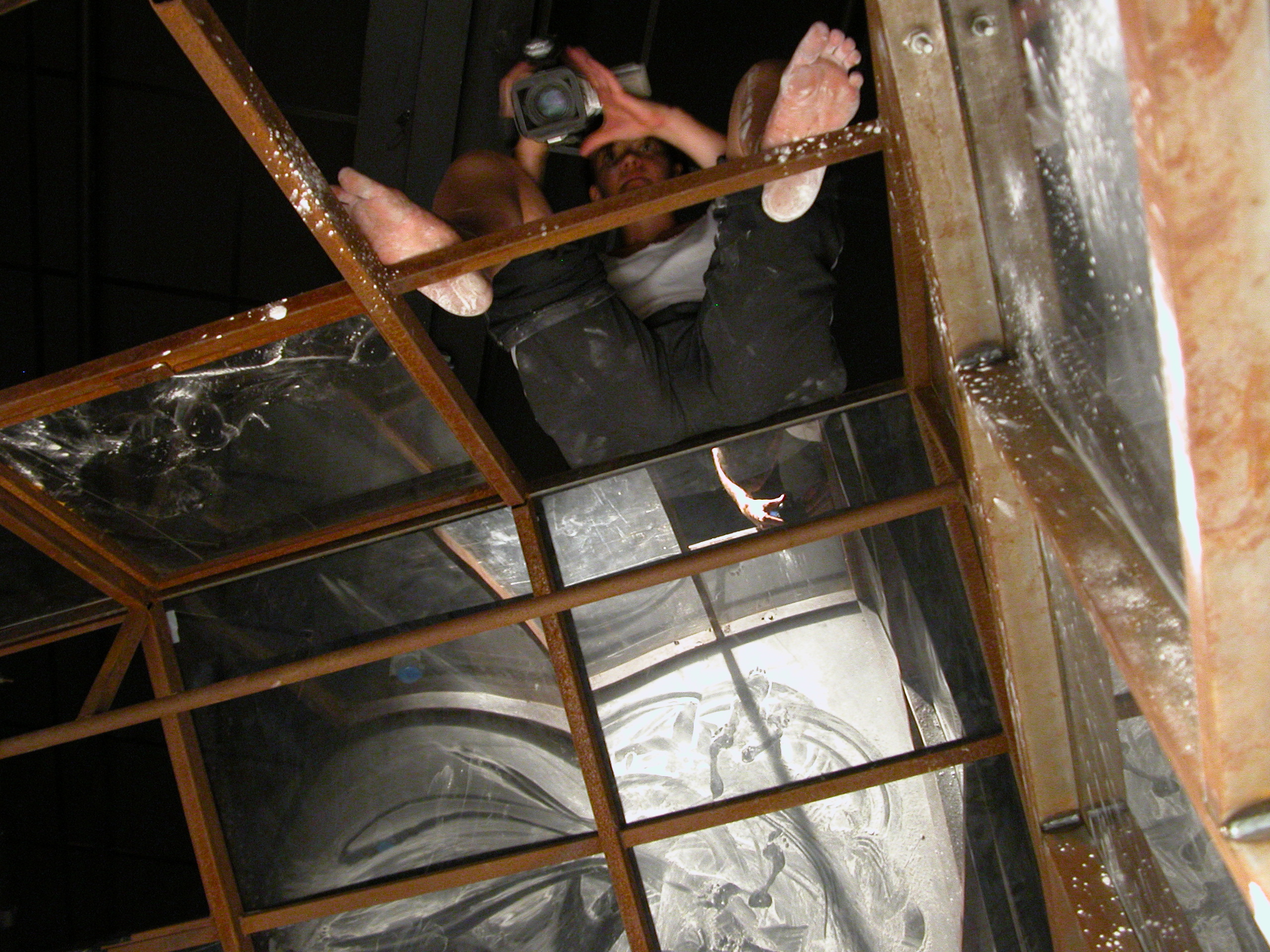
Each person has 10 minutes alone with the work. Their movement through the space continually affects speed, quality, balance and flow within the work. At the end of the experience they are invited to climb a lit platform and cast dust back onto the images below.
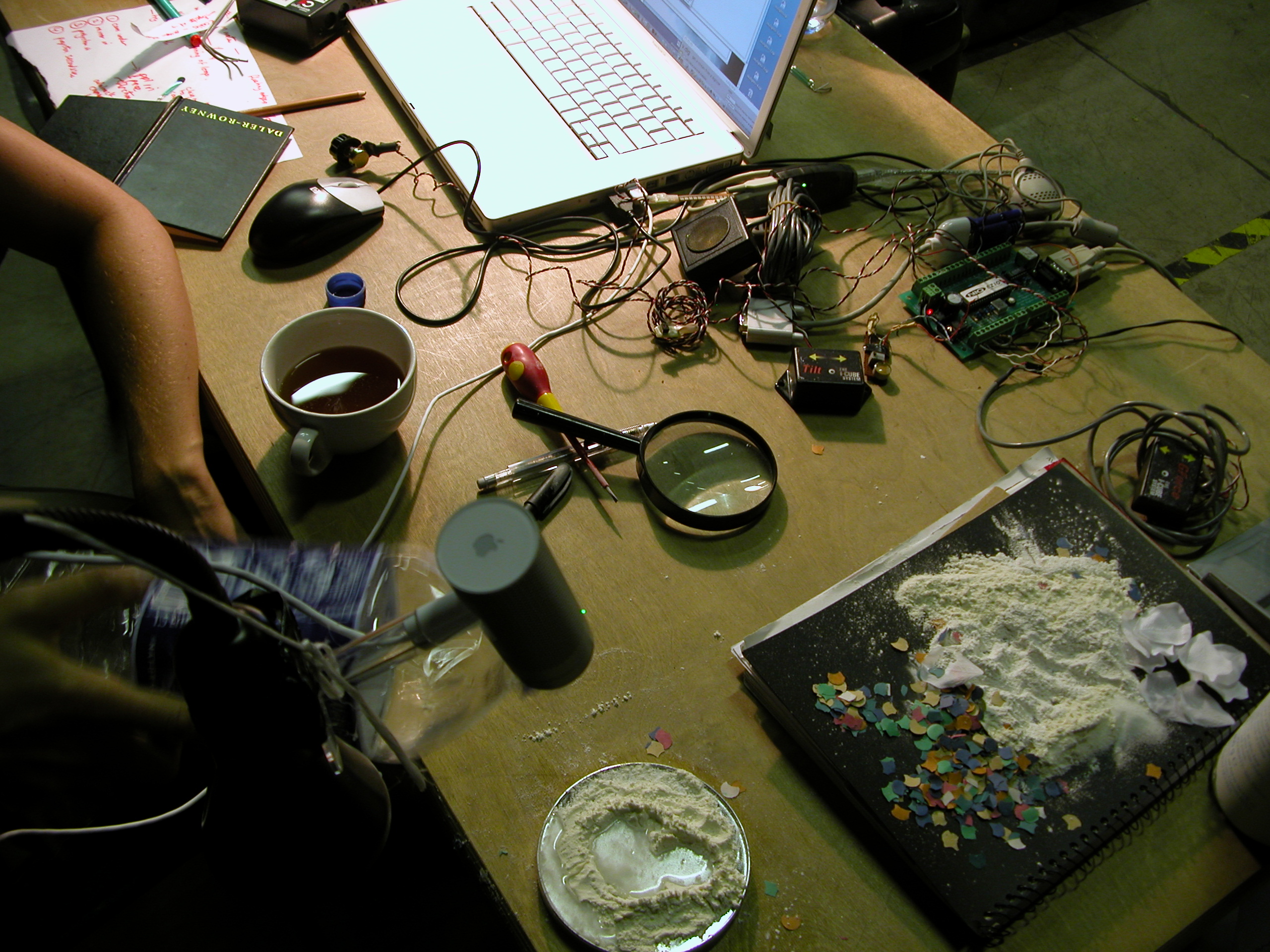
The work uses a range of technologies including interactive video (Very Nervous System), body heat sensors, custom built electronics, image databases, real time computational synthesis software (Cycling ’74 Max), networking software, real time audio digital signal processing (Max MSP) and real time show control protocols. Controllable actuators also move physical material through the air.
Funded by an ICA/Capture commission for Capture4 and supported by Centre for Media Research, University of Ulster, Site Gallery and VDT. Shifting Intimacies has also been supported by the Australian Government through the Australia Council and through Queensland Government via Arts Queensland.
Shifting Intimacies was part of Brisbane Festival 2008 at the Judith Wright Centre of Contemporary Arts, Brisbane. The work formed part of Over Many Horizons exhibition at UTS Art Gallery, Ultimo, Sydney in 2016. The work formed part of Keith Armstrong’s solo exhibition at The Mesh, Stegmann Gallery, Sasol Library, UFS, Bloemfontein, South Africa in 2017, (An official event of Vrystaat Kunstefees/Arts Festival/Tsa-Botjhaba).
See artistic collaborator and academic Keith Armstrong‘s ongoing distribution of the work here.
Credits
Artistic Director
Charlotte Vincent
Artistic Director / Chief Executive (She / Her)
Charlotte formed Vincent Dance Theatre (VDT) in 1994 and has directed all the company’s collaborative work to date, on stage and on film. Vincent has also designed the work since 2005 and performed with the company until 2002.embeds her own and her collaborators’ lived experience within the work, raising awareness of personal and political issues, breaking down the barriers between professional and non-professional performers and in VDT’s film installation and engagement spaces, between audience and participant.
Vincent is recognised as a sector leader in socially engaged movement practice and particularly around her campaigning, creative health work with women at risk, raiaing awareness of violence against women and girls and championing gender equality.
Vincent has long been an advocate for parents and carers working in the performing arts, supporting flexible working and welcoming collaborators children into the working space. Her pioneering work on film with Film Maker Bosie Vincent ensured VDT could distribute VDT’s work throughout the Covid 19 crisis in 2020, work which is no also screened and applied in social work, sociology, creative health and safeguarding training contexts
Charlotte is an experienced keynote speaker, lecturer and Mentor, working with early and mid-career artists to develop their creative practice and production work. Vincent has also worked as a director, dramaturg and facilitator for other artists and companies, most notably Two Destination Language (Near Gone, winner Total Theatre Awards for Innovation and Experimentation 2014), Keira Martin (Here Comes Trouble, Sadlers Wells Wild Card and Good Blood) and facilitating early R&D for Sue MacLaine’s Can I Start Again Please (2013).
In the past, Vincent has performed and collaborated with Liz Aggiss as V&A Artefacts, curated a 4-week festival of experimental performance practice Juncture at Yorkshire Dance in Leeds and co-hosted The Table, a forum to nurture dialogue across disciplines between established female artists with Dr Claire Macdonald. Charlotte sat on the Artists Advisory Group at Yorkshire Dance for several years in the 2000’s the and Steering Group for Dance UK’s National Choreographic Conference in 2013.
Vincent is Designated Safeguarding Lead for VDT, trained in Trauma Informed Practice, Mental Health First Aid, therapeutic parenting and First Aid. She has completed the Clore Leadership Short Course (2010), the Clore Programme for CEO/Artistic Directors (2011/ 2022) and Clore Brave Conversations Programme (2013) and also trained in FA Football Coaching (2022-2024).
Vincent ‘s work ifs included in several Routledge Publications and MA and PhD students’ dissertations. Her work Art of Attachment lies at the heart of Dr Cath Lambert‘s book Troubling Adoption.
In 2023, Vincent gained a PhD in Performing Arts from Canterbury Christ Church University, reflecting on VDT’s socially engaged practice, supervised by Professor Angela Pickard, Director of the Sidney de Haan Centre for Arts and Health.
Performed and Devised by
Interactive Visual Designer
Interactive Sound Designer
Videos


Photos
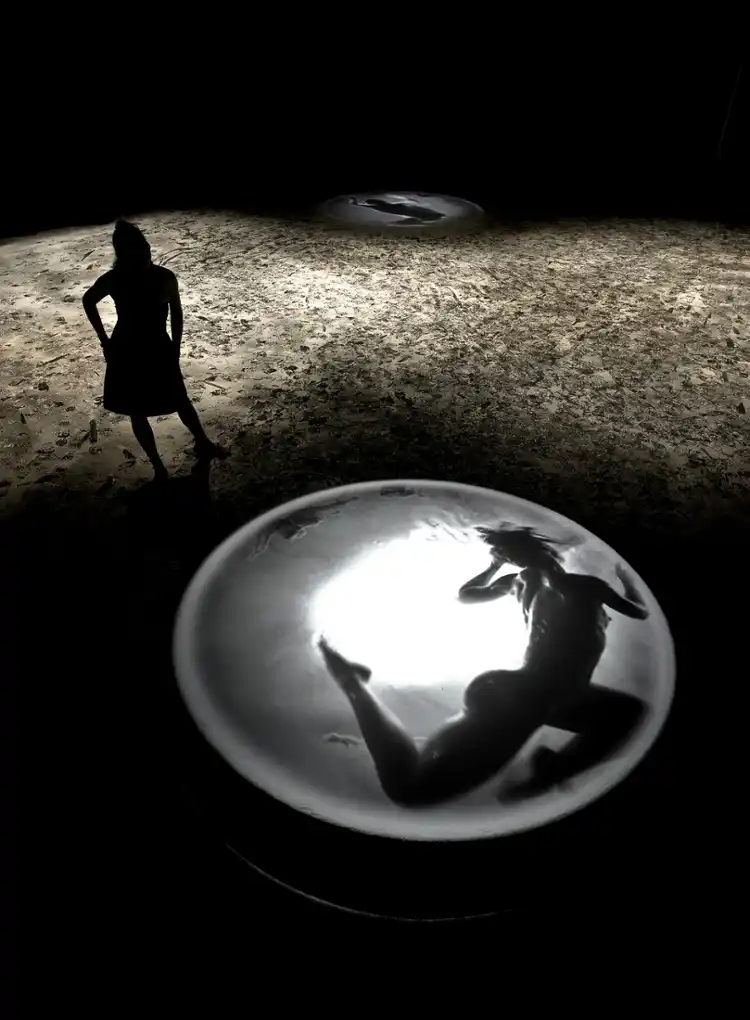
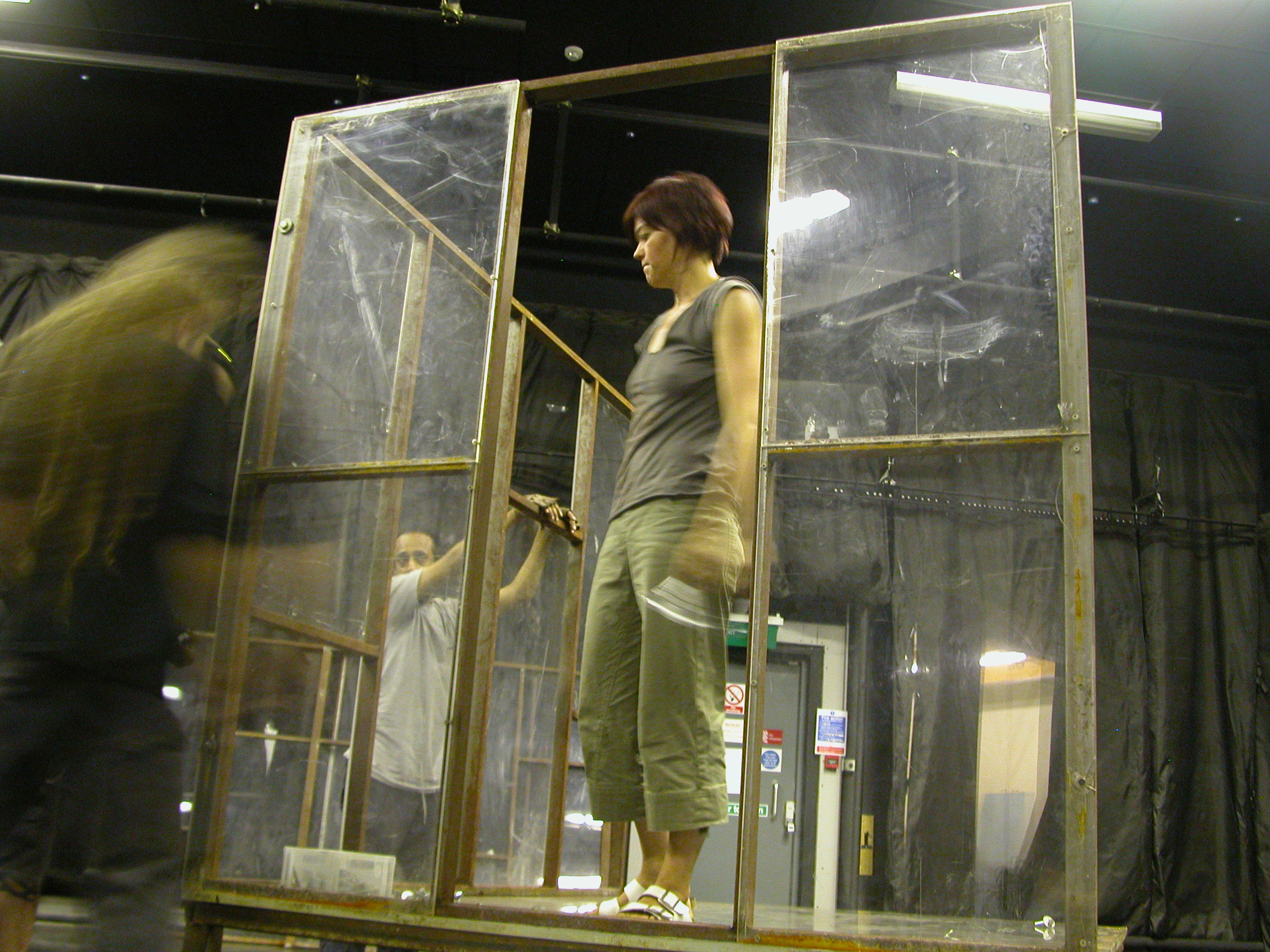
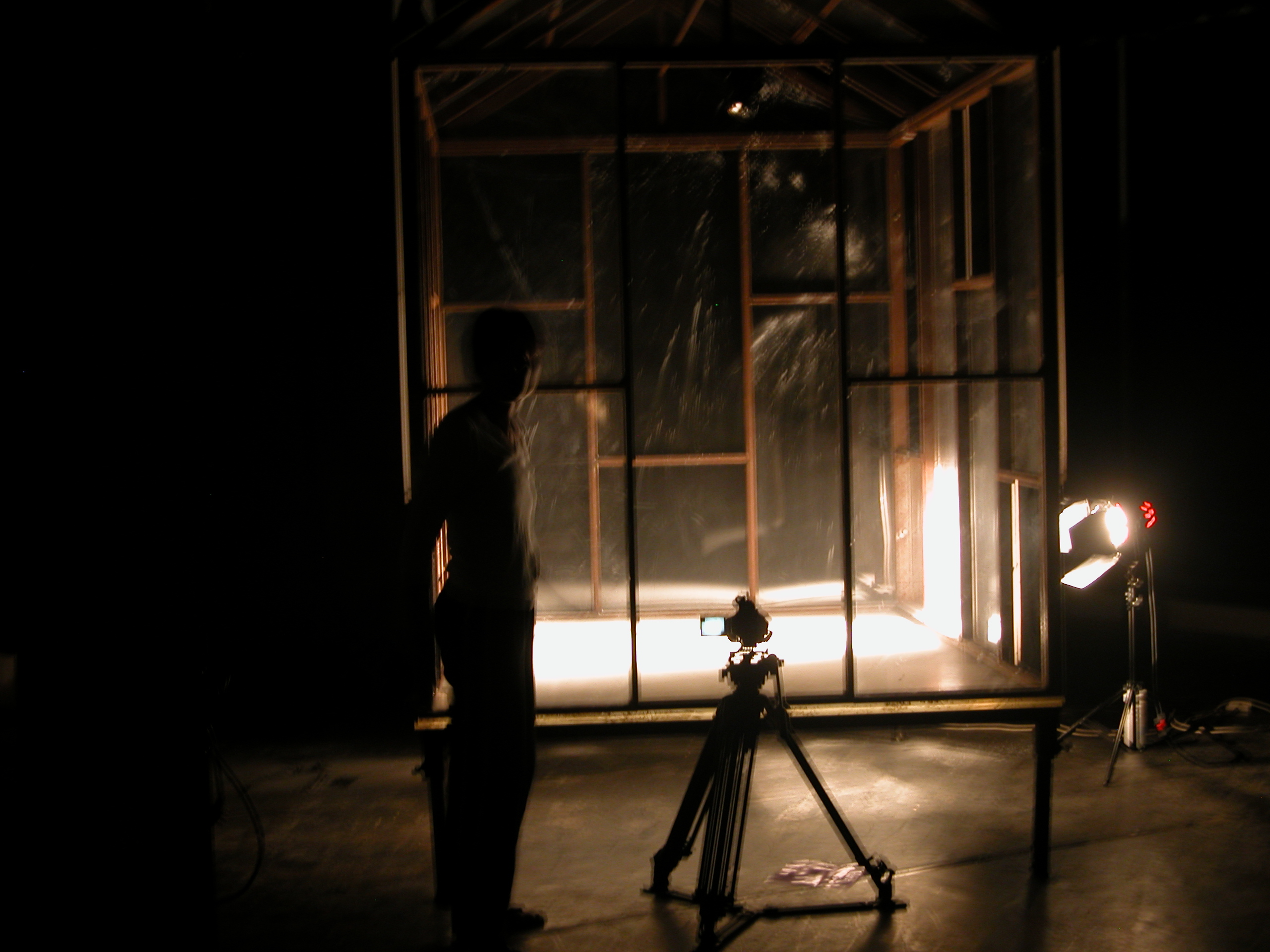
Silhouette of a woman standing on a textured surface, looking at a large lit circular platform. A floating, shadowy figure is visible inside it, creating a mysterious, contemplative mood.
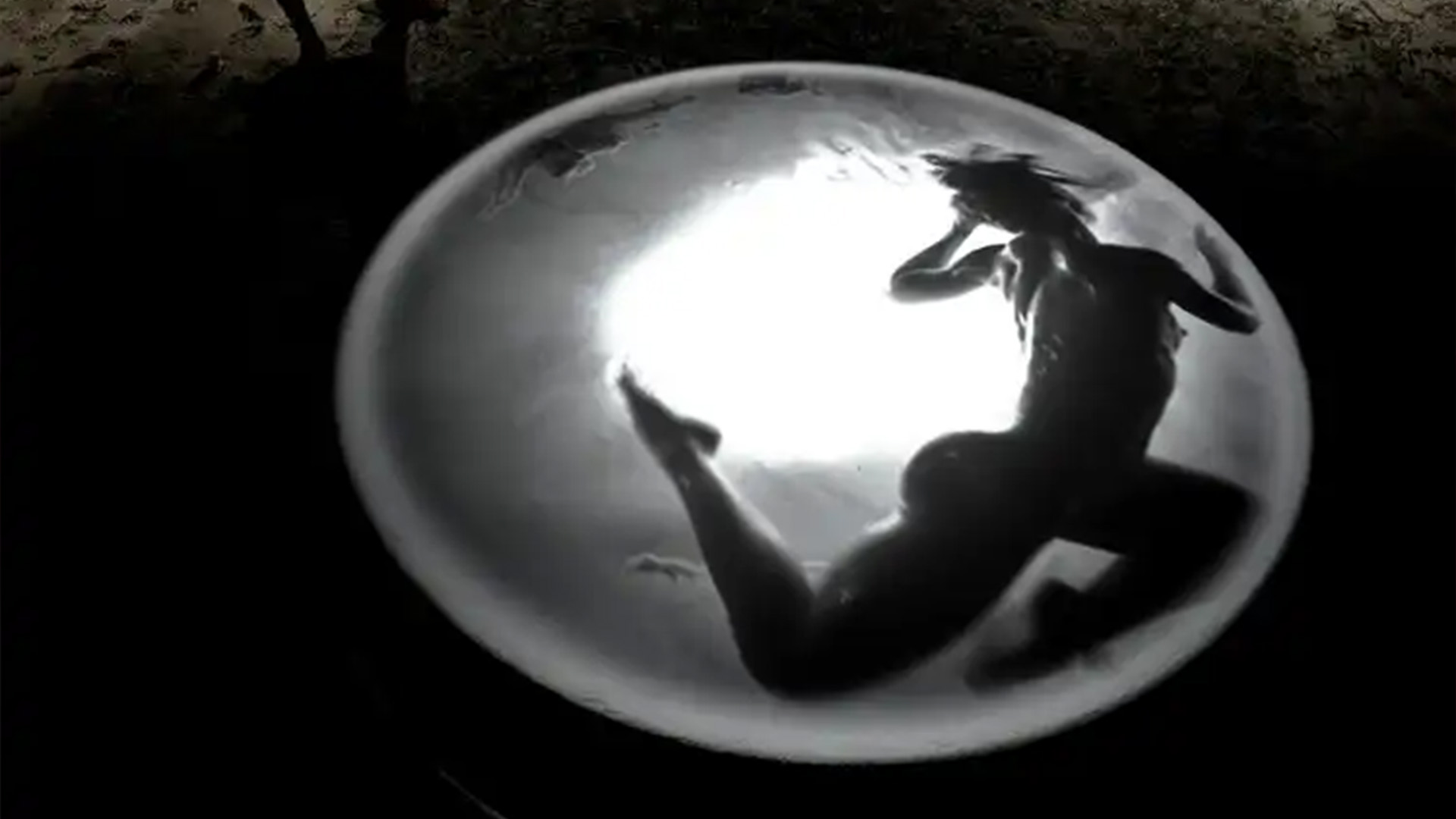
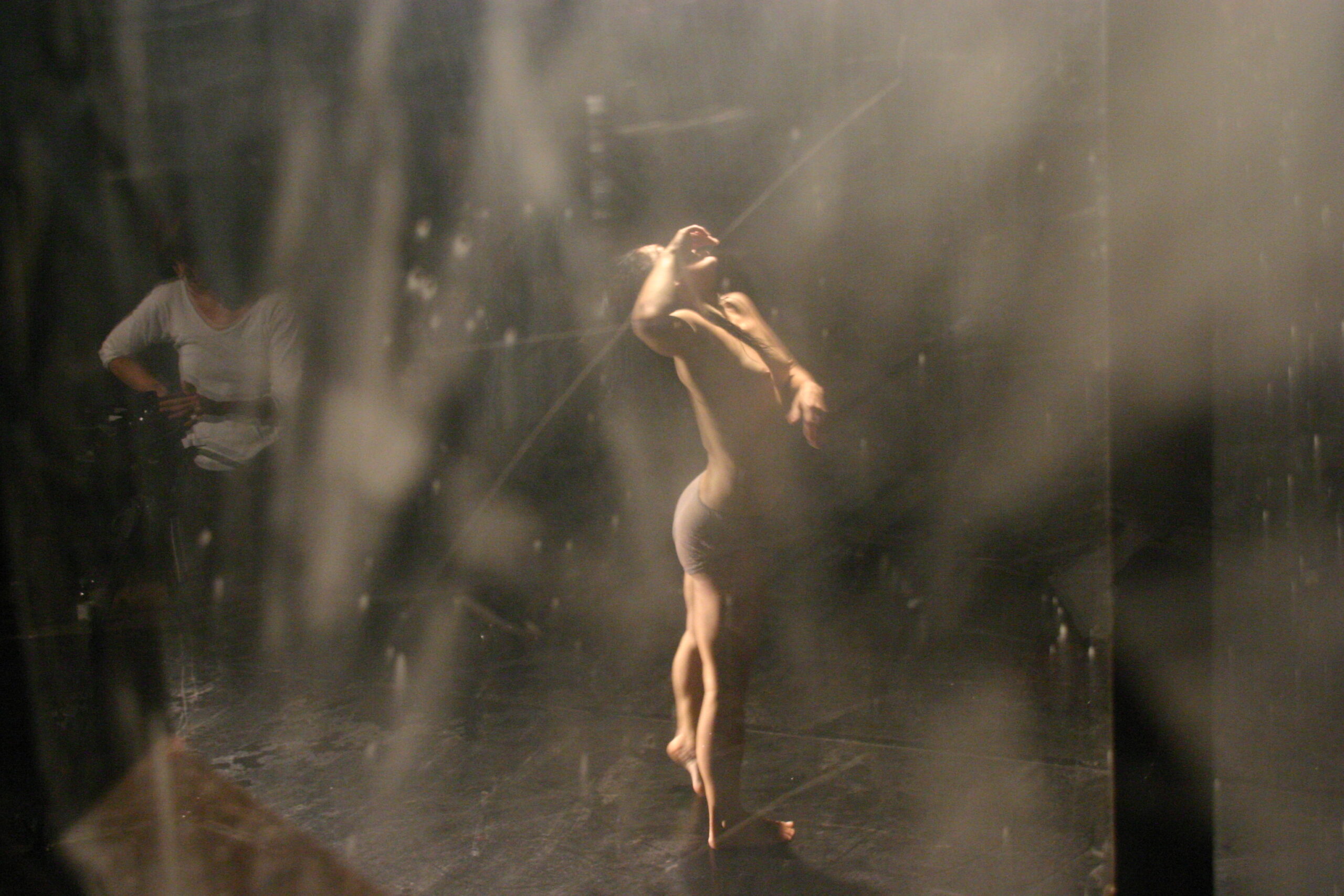
Silhouette of a person underwater, backlit by bright light, creating a circular window effect. The scene conveys a sense of mystery and serenity.
Press
“Brisbane Festival - There’s something shady and transitory about the combination of slick tech aesthetic and low rent industrial—sort of bump in, bump out biotech. The dancer spins and contorts within what looks like a very amniotic fluid. The face is obscured, the body de-identified. Motion is slow, there are pauses then rapid jerking shifts. Tissue filaments, like sheets of skin, float about in the fluid, disintegrate and trail the motion of the limbs…At times I wander away from the image and just enjoy the sound, which seems to be more responsive to my position in the space than the images ever were. It is as if the sound forms an enclosure within which the dancer acts out a private and necessary cycle…the experience is primarily poetic, and powerful for that.”Greg Hooper, Real Time Arts, 30 August 2008
Audience Feedback
“It was like interior journey as I was all alone thinking about my life and my thoughts. I felt really alone there. Frightening – scary – deep.”
Participant, ICA London